
Every guide tells you the same thing: visit between November and February. That is correct, and almost useless, because those four months are not one season. They are four very different trips.
November looks nothing like January. The salt changes, the temperature swings by double digits, the crowd triples on certain weeks, and the price moves with all of it. Here is what each month actually gives you.
Quick answer: The best time to visit Rann Utsav is between November and February. November and February offer the best balance of comfortable weather, thinner crowds and lower prices, while December and January deliver the coldest nights and the brightest, driest white salt — along with the biggest crowds and the highest tariffs.
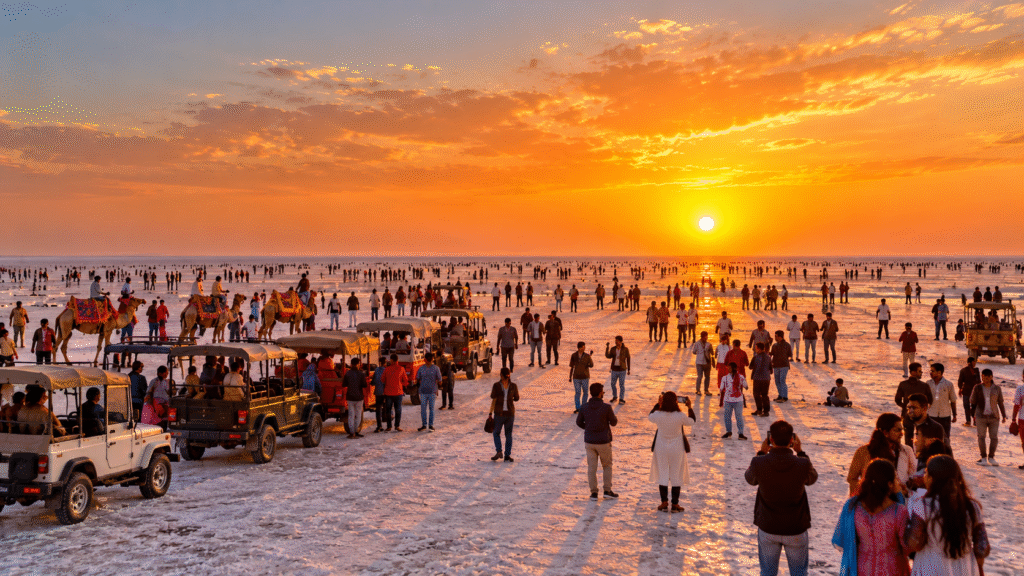
The 2026-27 Season Dates
The official Rann Utsav site lists the 2026-27 season as 1 November 2026 to 7 March 2027, though some booking sites publish slightly different dates such as 5 November to 4 March.
That difference matters if you are planning for the very first or very last week of the season, so confirm your dates on the official site before you book anything.
Month by Month
| Month | Weather | Salt condition | Crowds | Price |
|---|---|---|---|---|
| November | Mild days, cool nights | May still hold standing water in patches, giving mirror reflections | Light, building through the month | Lowest of the season in early Nov |
| December | Cold nights, clear dry days | Drying out, turning properly white | Heaviest of the season | Highest |
| January | Coldest month, nights can reach around 5°C | Dry, hard, brilliant white | Very heavy around festival dates | High |
| February | Cool but gentler than Jan | Still dry and bright white | Thinning out | Low again |
| Early March | Warming up noticeably | Dry, but heat building | Light | Low |
Daytime temperatures through the season run roughly 22–28°C, while winter nights at Dhordo drop to about 5–10°C, and the open salt amplifies the wind so it feels colder than the number suggests.
The Thing Nobody Tells You: Water or Dry Salt?
This single factor changes what your photographs look like, and most visitors do not know about it until they arrive.
Early season (roughly October to early December): the monsoon water has not fully evaporated. In places, a thin sheet of water still sits on the Rann, producing mirror reflections of the sky — particularly along routes like the Road to Heaven.
Peak and late season (January to February): the water is gone. What remains is dry, hard, cracked salt crust that glows blinding white in sunlight.
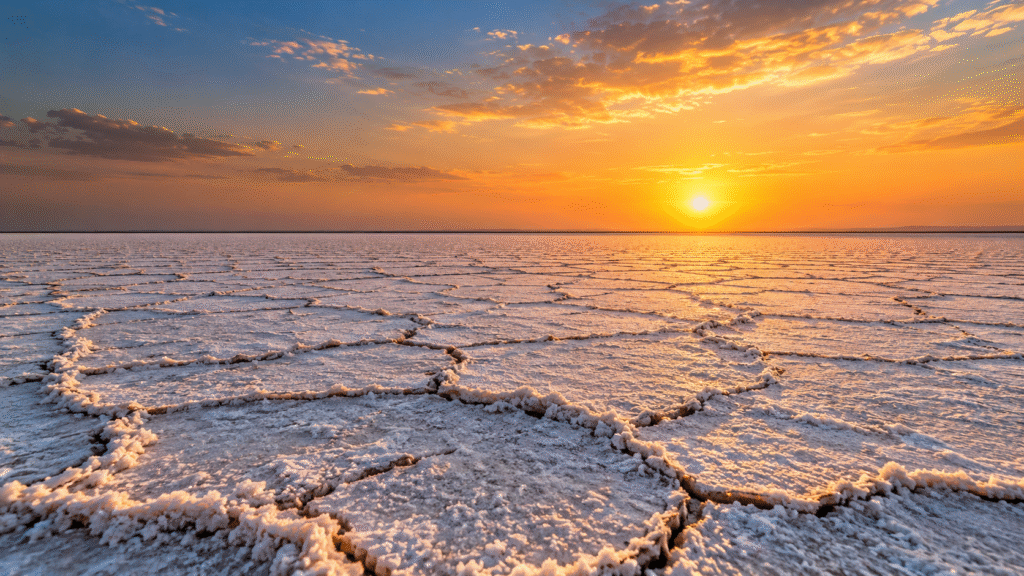
Neither is better. They are different pictures. If you have seen photos of the Rann as a perfect sky mirror, that is early season. If you have seen the classic endless white crust, that is January and February.
Crowd Calendar: Weeks to Avoid
If flexible dates are an option, these are the windows where you pay the most and share the view with the most people.
| Period | Why it is busy |
|---|---|
| Diwali week | School holidays across Gujarat and Maharashtra |
| Christmas to New Year | The single busiest stretch of the season |
| Uttarayan, 14 January 2027 | Gujarat’s kite festival weekend |
| Republic Day, 26 January 2027 | Long weekend traffic |
| All full moon nights | Premium of roughly 20–30%, with the surcharge starting a day before |
| Every weekend | Weekend rates apply throughout the season |
The quietest, cheapest combination: a weekday in early November or February, away from any full moon.
Best Time Based on Who You Are
| You are | Best window | Why |
|---|---|---|
| A first-timer | Late November or February | Comfortable weather, manageable crowds, fair prices |
| A photographer | November for reflections, or a full moon in Jan–Feb for dry white salt | Two completely different looks |
| Travelling with family | November or February weekday | Gentler nights for kids and elderly parents |
| On a tight budget | Early November or February, midweek | The lowest tariffs of the season |
| A couple or honeymooner | Any full moon night, booked early | The desert at its most dramatic |
| A stargazer | A dark moon night in Dec–Feb | No moonlight means the clearest night sky |
Full Moon or Dark Moon?
Both are worth planning around, for opposite reasons.
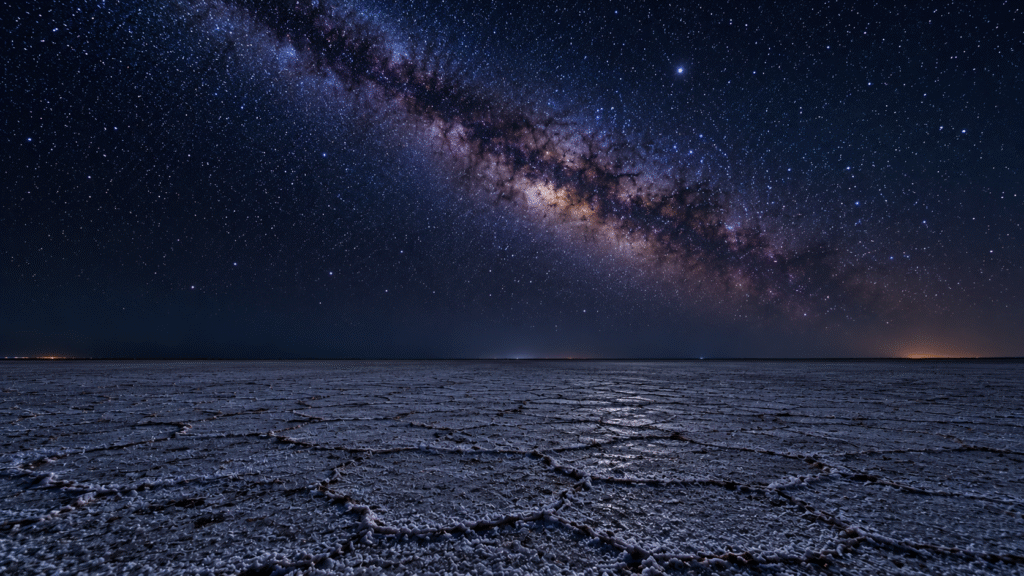
Full moon nights turn the salt luminous enough to walk on without a torch. For 2026-27 they fall around 24 November, 23–24 December, 22 January and 20–21 February, and they are the first dates to sell out. Full details in our guide to Rann Utsav full moon dates.
Dark moon nights give you the opposite experience — no moonlight, maximum stars. The official site publishes these dates alongside the full moon ones. For stargazing, this is the better booking, and it usually costs less.
Weekday or Weekend?
Weekends carry the same premium as the popular dates, throughout the season.
A Tuesday-to-Thursday trip in the same week as a crowded weekend gives you the same desert, the same sunset and the same cultural programme, with fewer people and a lower bill. If your leave allows it, this is the easiest saving available. More cost levers in our Rann Utsav budget trip guide.
When Not to Visit
March to June: Heat builds quickly through March, and by April and May the Kutch desert is genuinely harsh. The Tent City is not operating.
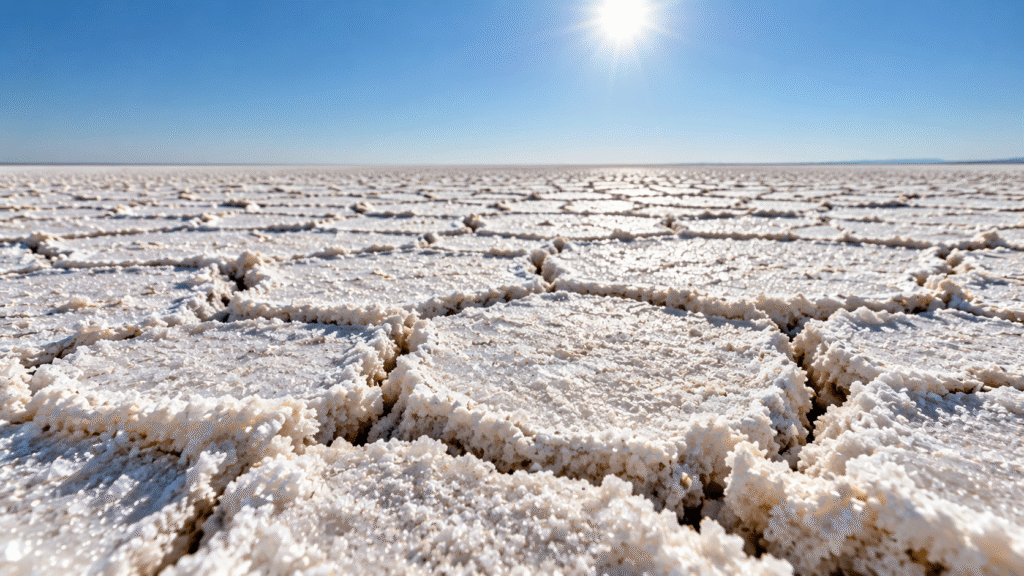
Monsoon, roughly July to September: The Great Rann is a seasonal salt marsh. During the monsoon it floods and becomes an inland sea rather than a walkable salt flat. There is no white desert to see.
The white salt crust that everyone comes for is literally the residue left behind after that water evaporates — which is why the season exists when it does.
How Far Ahead Should You Book?
| Your dates | Book by |
|---|---|
| Christmas to New Year, or any full moon | As early as possible — these go first |
| Uttarayan or Republic Day weekend | Several weeks ahead |
| Any weekend in Dec–Jan | A few weeks ahead |
| Weekdays in Nov or Feb | More flexibility, but earlier is still cheaper |
Also check the cancellation terms before paying. Official Tent City bookings typically allow a 90% refund 30 or more days before arrival and 60% between 15 and 30 days, with nothing refunded inside 15 days.
Where to Stay, Whichever Month You Pick
Dhordo is the base for the festival, and the villages around it host camps and resorts for every part of the season.
StayGuru Patgar Tent is in Patgar Village near Dhordo, a short drive from the Rann Utsav Tent City. It offers Kutchi-style Swiss tents in AC and non-AC categories, with Gujarati, Rajasthani, Punjabi and Continental meals and Jain meals on request.

Practical note: in November and February, a non-AC tent is usually comfortable and cheaper. In peak December and January, ask specifically about blankets and heating before you book.
FAQs
What is the best time to visit Rann Utsav?
Between November and February. November and February give the best balance of weather, crowds and price, while December and January have the coldest nights and the whitest, driest salt.
When does Rann Utsav 2026-27 start and end?
The official site lists the season as 1 November 2026 to 7 March 2027, though some booking sites publish slightly different dates. Confirm on the official site before booking.
Which month is cheapest for Rann Utsav?
Early November and February generally have the lowest tariffs, especially midweek and away from full moon dates.
Is December a good time to visit Rann Utsav?
It is the most popular month, with dry white salt and clear skies, but also the coldest, most crowded and most expensive. Book months ahead if you want it.
Can you visit the Rann of Kutch in summer or monsoon?
Not realistically. Summer heat is severe and the Tent City is closed, and during the monsoon the Rann floods and the white salt flat disappears under water.